Patient Education
Dental information you can browse, understand, and share.
Explore practical information about preventive care, restorative treatment, cosmetic dentistry, children’s oral health, dentures, implants, gum health, and common dental concerns.
Start with a topic
Clear patient education for every stage of care.

PREVENTIVE & FAMILY
Healthy habits & preventive care
Learn about hygiene, checkups, gum health, children’s visits, fluoride, and common preventive questions.

RESTORATIVE & URGENT
Repair, replacement & dental concerns
Understand fillings, crowns, root canals, missing teeth, dentures, chipped teeth, and urgent dental situations.

COSMETIC & SMILE
Whitening, veneers & smile goals
Review cosmetic treatment concepts, whitening information, veneers, bonding, and planning around a healthy foundation.
Patient Education
Latest Dental Articles
Recent educational articles from the Willowdale library.
-
Fluoride and Cavity Prevention
Fluoride helps make tooth structure more resistant to decay and is available through fluoride toothpaste, some mouthrinses and prescription products, community water, and professionally applied products. Fluoride toothpaste is the daily foundation For most people, brushing twice a day with fluoride toothpaste is an important part of cavity prevention. The appropriate amount of toothpaste for…
-
After ARESTIN® Periodontal Treatment: General Instructions
ARESTIN® (minocycline HCl microspheres) is a prescription antibiotic that may be placed by a dental professional in periodontal pockets as an adjunct to scaling and root planing. If you receive it, follow the instructions given by the treating clinician. For the first week Avoid touching treated sites and avoid chewing hard, crunchy, or sticky foods…
-

Medication-Related Osteonecrosis of the Jaw: What Dental Patients Should Know
Medication-related osteonecrosis of the jaw (MRONJ) is an uncommon but important condition associated with certain antiresorptive and antiangiogenic medications. Dental and medical teams consider medication history when planning invasive dental care. Why medication history matters Some medicines used for osteoporosis and some cancer treatments affect bone remodeling or blood-vessel pathways. The level of risk is…
-
Direct vs. Indirect Dental Restorations
Dental restorations can be described as direct or indirect based on how and where the restoration is made. The choice depends on the amount and location of damaged tooth structure, bite forces, appearance goals, and other clinical factors. Direct restorations A direct restoration is placed and shaped in the mouth. Tooth-colored composite fillings are a…
-

Persistent Bad Breath: Dental Causes and What to Do
Occasional bad breath is common, but breath odor that persists despite normal home care can be a reason to look for an underlying cause. Start with daily oral hygiene Brush the teeth thoroughly with fluoride toothpaste and clean between teeth each day. Cleaning the tongue can also help remove odor-producing debris. Dry mouth can make…
-
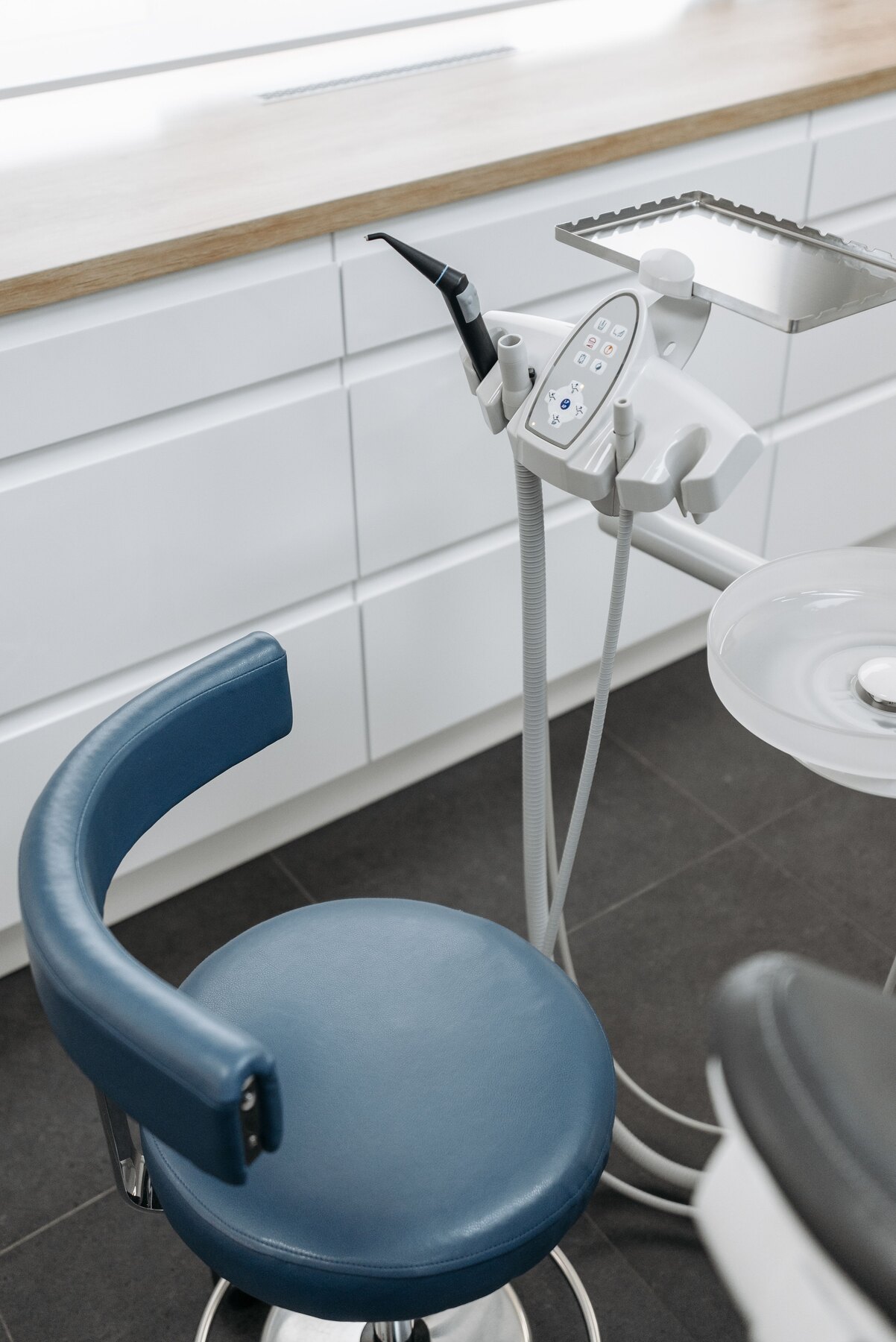
How to Choose a Dentist for Your Family
Choosing a dental office is easier when you compare practical needs, clinical fit, communication, and how comfortable you feel asking questions. Start with the basics Confirm the office location, hours, phone access, and appointment process work for your household. Ask which services are routinely provided and when referrals to specialists are used. Confirm how the…
-
Why Dental Care Should Be Individualized
Two patients can have very different dental needs even when they are the same age. Oral-health history, current findings, medical conditions, medications, risk factors, and personal goals all influence a care plan. Prevention schedules are not one-size-fits-all The timing of examinations, professional cleanings, imaging, fluoride, periodontal maintenance, and other preventive care should be based on…
-
Habits to Avoid After a Smile Makeover
Cosmetic and restorative dental work still needs everyday protection. The habits that help natural teeth also help preserve many restorations and support healthy gums around them. Do not use teeth as tools Opening packages, biting hard objects, or chewing ice can place unnecessary force on natural teeth and restorations. Protect against clenching and grinding If…
-
Acid Reflux and Your Teeth
Stomach acid that repeatedly reaches the mouth can contribute to dental erosion, a chemical loss of tooth structure that is different from tooth decay caused by bacteria. Why reflux matters to enamel Repeated exposure to gastric acid can soften and wear tooth surfaces. A dentist may notice smoothing, cupping, thinning enamel, sensitivity, or other patterns…
-
Understanding Tooth Stains and Treatment Options
Tooth discoloration can develop on the outer surface of enamel, within the tooth, or from a combination of causes. The best way to improve color depends on what is creating the stain. Surface and internal stains Extrinsic stains collect on the outside of teeth and may be associated with foods, beverages, tobacco, or other exposures.…
-
Get a Dental Implant Restoration After Tooth Extraction
Replacing a tooth after extraction can involve an implant-supported crown, bridge, removable appliance, or in some cases leaving the space unrestored. Timing varies Implant placement may occur at the time of extraction or after healing, depending on infection, bone, soft tissue, and the treatment plan. The restoration is separate from the implant The implant is…
-
Periodontics: Understanding Implant Procedures
Dental implants depend on healthy bone and gum tissues as well as careful surgical and restorative planning. Periodontal health matters Active gum disease and poor plaque control can increase risks around natural teeth and implants. Implant placement is the surgical phase An implant is positioned in bone and allowed to heal before or during the…