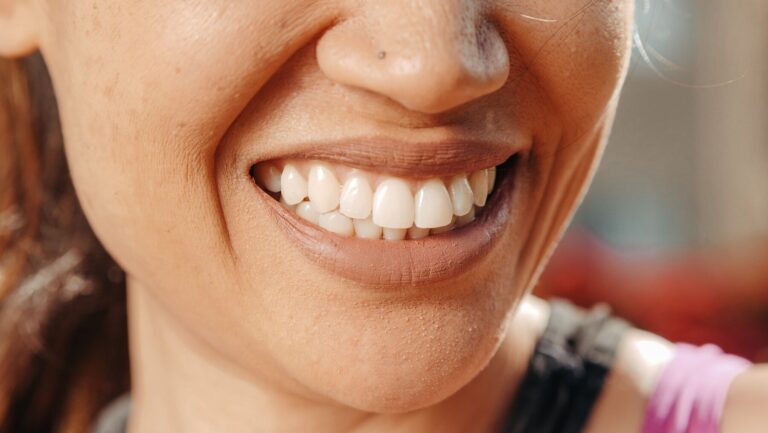

Understanding Tooth Stains and Treatment Options
Tooth discoloration can develop on the outer surface of enamel, within the tooth, or from a combination of causes. The best way to improve color depends on what is creating the stain.
Surface and internal stains
Extrinsic stains collect on the outside of teeth and may be associated with foods, beverages, tobacco, or other exposures. Intrinsic discoloration originates within enamel or dentin and can have different causes.
Professional cleaning and whitening
A professional cleaning can remove some surface deposits and stains. Whitening products use peroxide-based ingredients to lighten natural tooth structure, but they do not change the color of crowns, fillings, veneers, or other tooth-colored restorations.
When restorative or cosmetic treatment may be discussed
If whitening is not appropriate or cannot produce the desired result, a dentist may discuss options such as bonding, veneers, or other restorative treatment after examining the teeth and understanding the cause of the discoloration.
Important: An examination is useful before whitening when discoloration is new, localized to one tooth, associated with pain, or accompanied by other changes.
This article is general dental education and is not a diagnosis or a substitute for an examination. If you have pain, swelling, trauma, or another concern, contact a dental or medical professional as appropriate.