Patient Education
Dental information you can browse, understand, and share.
Explore practical information about preventive care, restorative treatment, cosmetic dentistry, children’s oral health, dentures, implants, gum health, and common dental concerns.
Start with a topic
Clear patient education for every stage of care.

PREVENTIVE & FAMILY
Healthy habits & preventive care
Learn about hygiene, checkups, gum health, children’s visits, fluoride, and common preventive questions.
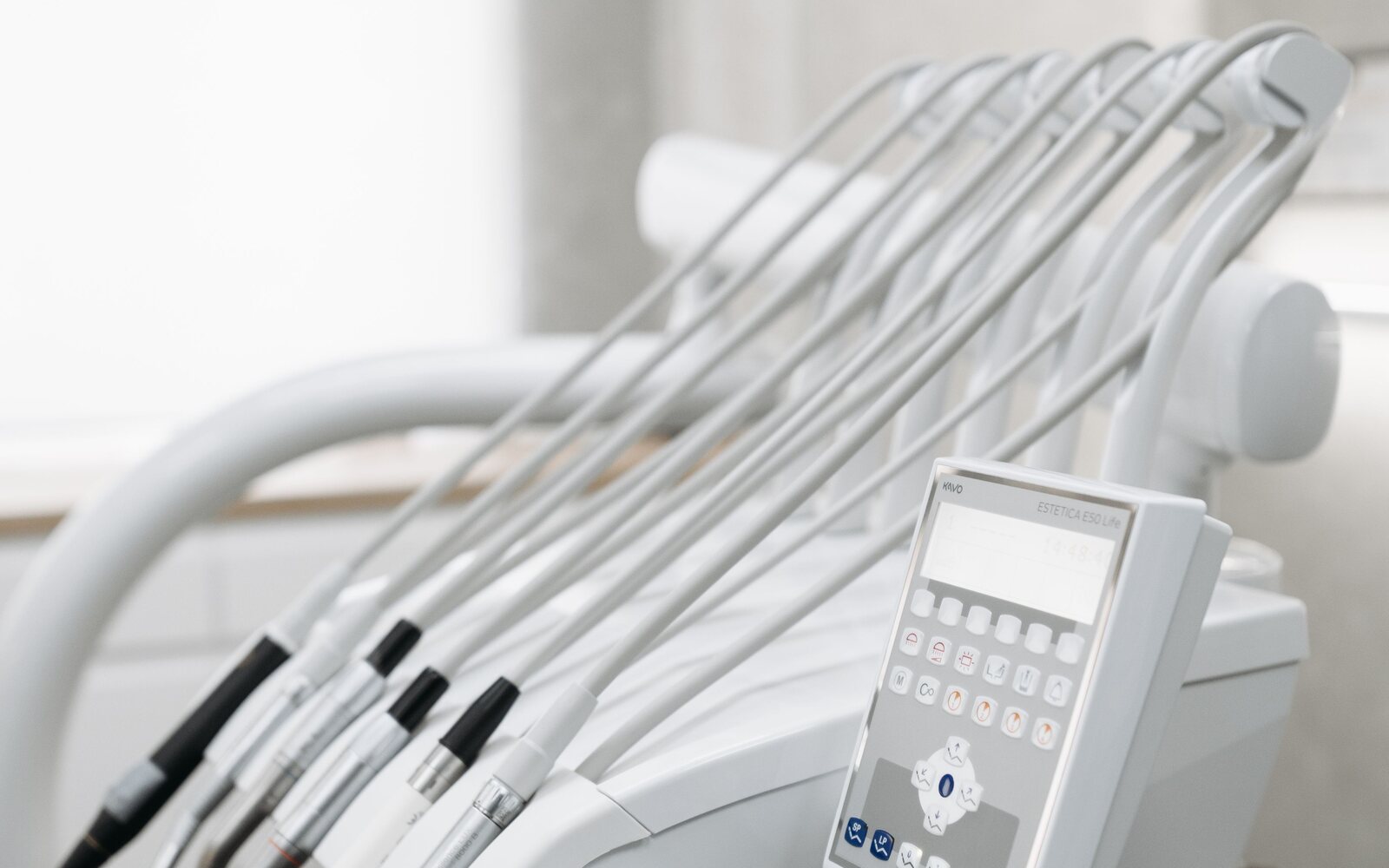
RESTORATIVE & URGENT
Repair, replacement & dental concerns
Understand fillings, crowns, root canals, missing teeth, dentures, chipped teeth, and urgent dental situations.
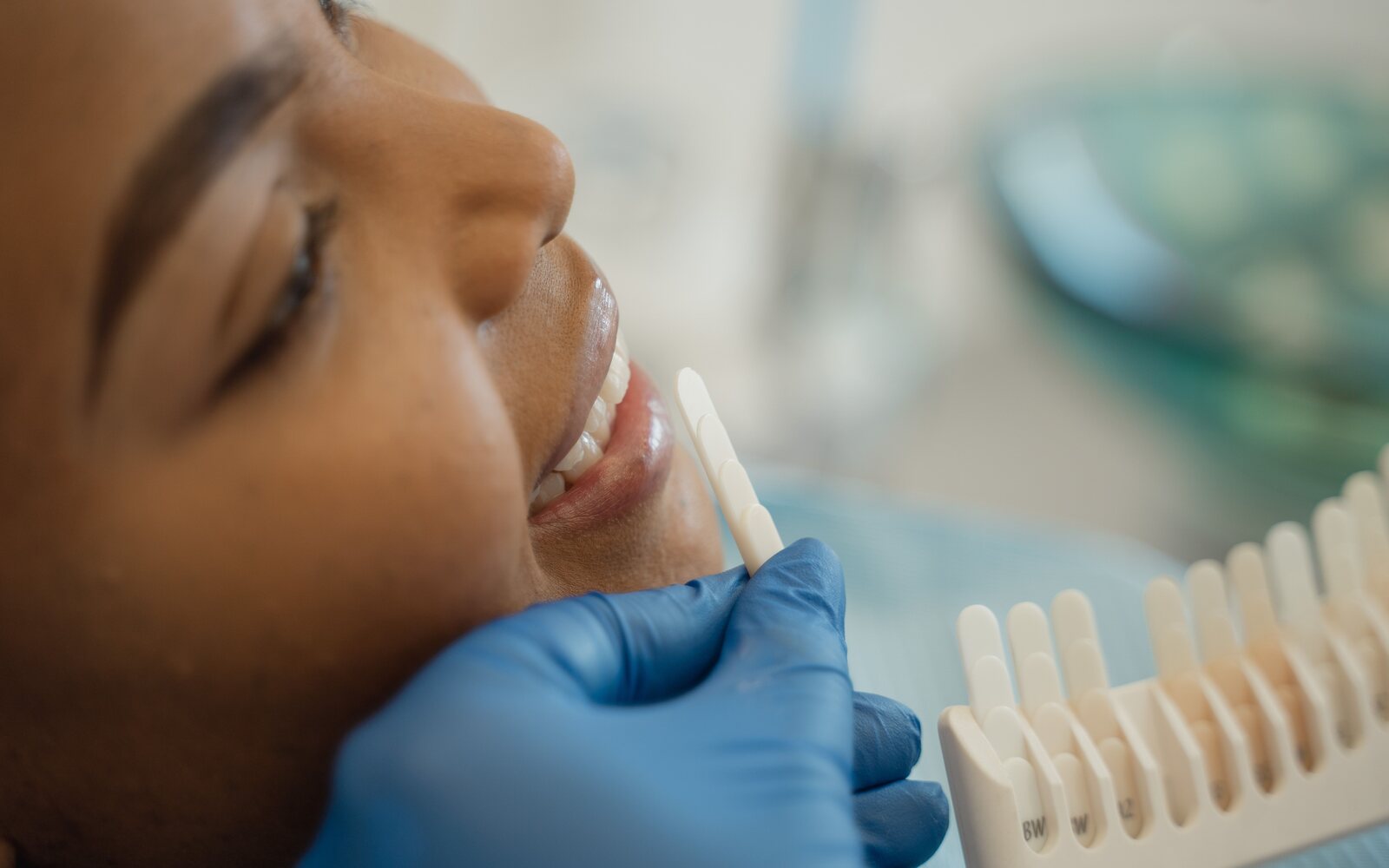
COSMETIC & SMILE
Whitening, veneers & smile goals
Review cosmetic treatment concepts, whitening information, veneers, bonding, and planning around a healthy foundation.
Patient Education
Latest Dental Articles
Recent educational articles from the Willowdale library.
-
Preventive Dental Care Reduces the Risk of Oral Health Conditions
Preventive care combines daily home care with professional evaluation and treatment intended to reduce the likelihood or severity of common dental problems. Plaque control is central Brushing twice daily with fluoride toothpaste and cleaning between teeth daily reduces plaque and supports healthier teeth and gums. Professional visits add what home care cannot Dental visits can…
-
There’s No Need to Fear Before a Dental Checkup
Dental anxiety is common, and avoiding care can allow small problems to become more difficult. Communication can make visits more manageable. Tell the team you are anxious Knowing what makes you uncomfortable allows the dental team to explain steps, establish a stop signal, and adjust pacing when possible. Start with information For many people, knowing…
-
How a Dental Crown Is Used for a Damaged Tooth
A crown covers and reinforces the visible portion of a tooth when a filling or bonding would not provide enough support. Why more coverage may be needed Large decay, fractures, extensive previous fillings, or root canal treatment can leave a tooth weakened. The tooth is prepared for the crown The dentist reshapes the tooth as…
-
Frequent Dental Crown Problems and What to Do
Crowns can loosen, chip, fracture, feel high in the bite, develop decay at the margin, or become uncomfortable if the supporting tooth changes. New discomfort needs evaluation Sensitivity or pain can come from the tooth, gum tissue, bite, or the restoration itself. A loose crown should not be ignored Movement can allow bacteria and debris…
-
Thumb-Sucking, Pacifiers and Your Child’s Teeth
Thumb-sucking and pacifier use are common self-soothing behaviors in young children. Persistent habits can affect tooth position or jaw development after a certain age. Age and intensity matter The frequency, duration, and force of the habit influence whether dental changes develop. Avoid shame or punishment Positive reinforcement and gradual behavior strategies are generally more helpful…
-
How Dental Sealants Protect Teeth from Decay
Dental sealants are thin protective coatings placed in the grooves of susceptible back teeth to reduce the chance that food and bacteria become trapped in pits and fissures. Why molars are vulnerable Deep grooves on chewing surfaces can be difficult for toothbrush bristles to clean completely. Sealants add a barrier A properly placed sealant covers…
-
Do I Need a Referral for Endodontic Treatment?
Whether you need a referral to an endodontist depends on the tooth, complexity, diagnosis, and how the general dentist manages root canal care. General dentists can perform root canals Root canal treatment is part of general dental training, and many general dentists treat selected cases. Endodontists have specialty training Endodontists complete additional training focused on…
-
Types of Dental Cleanings and Periodontal Maintenance
The type of professional cleaning recommended depends on gum health and whether periodontal disease is present. Routine prophylaxis A routine preventive cleaning is generally used for patients without active periodontitis who need plaque, calculus, and stain removal. Scaling and root planing When periodontitis is diagnosed, deeper nonsurgical periodontal treatment may be used to remove deposits…
-
Foods That Help or Harm Oral Health
What you eat matters, but how often teeth are exposed to sugars and acids also affects cavity and erosion risk. Limit frequent sugar exposure Bacteria use fermentable carbohydrates to produce acids that can contribute to tooth decay. Frequent sipping and snacking can extend those acid exposures. Choose water often Water does not feed cavity-causing bacteria…
-
The Importance of Scheduling a Professional Dental Cleaning
Professional cleanings remove plaque and hardened calculus from areas that are difficult to clean completely at home. Home care and professional care complement each other Daily brushing and interdental cleaning control plaque between visits; professional instruments can remove calculus that home tools cannot safely remove. The visit is also an opportunity to evaluate changes Preventive…
-
Should I Use Mouthwash?
Mouthrinse can be helpful for some patients, but the best product depends on the goal and it does not replace brushing or cleaning between teeth. Cosmetic versus therapeutic rinses Some rinses mainly freshen breath, while therapeutic products may contain fluoride or ingredients intended to reduce plaque, gingivitis, or sensitivity. Choose based on your needs A…
-
Cosmetic Dentistry Uses for Dental Veneers
Veneers can change the visible surface of selected teeth and may be considered when color, shape, spacing, or wear cannot be addressed adequately with more conservative options. Shape and proportion Veneers can alter the width, length, contour, and symmetry of visible teeth. Color Porcelain can mask some discoloration, but whitening may be a more conservative…