Patient Education
Dental information you can browse, understand, and share.
Explore practical information about preventive care, restorative treatment, cosmetic dentistry, children’s oral health, dentures, implants, gum health, and common dental concerns.
Start with a topic
Clear patient education for every stage of care.

PREVENTIVE & FAMILY
Healthy habits & preventive care
Learn about hygiene, checkups, gum health, children’s visits, fluoride, and common preventive questions.

RESTORATIVE & URGENT
Repair, replacement & dental concerns
Understand fillings, crowns, root canals, missing teeth, dentures, chipped teeth, and urgent dental situations.

COSMETIC & SMILE
Whitening, veneers & smile goals
Review cosmetic treatment concepts, whitening information, veneers, bonding, and planning around a healthy foundation.
Patient Education
Latest Dental Articles
Recent educational articles from the Willowdale library.
-

Signs of Poor Oral Hygiene
Persistent plaque buildup, bleeding gums, bad breath, cavities, and inflamed tissues can be signs that home care or professional care needs attention. Bleeding deserves attention Occasional irritation can happen, but repeated bleeding with brushing or flossing can be associated with gingivitis or other gum problems. Bad breath has many causes Oral bacteria, gum disease, cavities,…
-
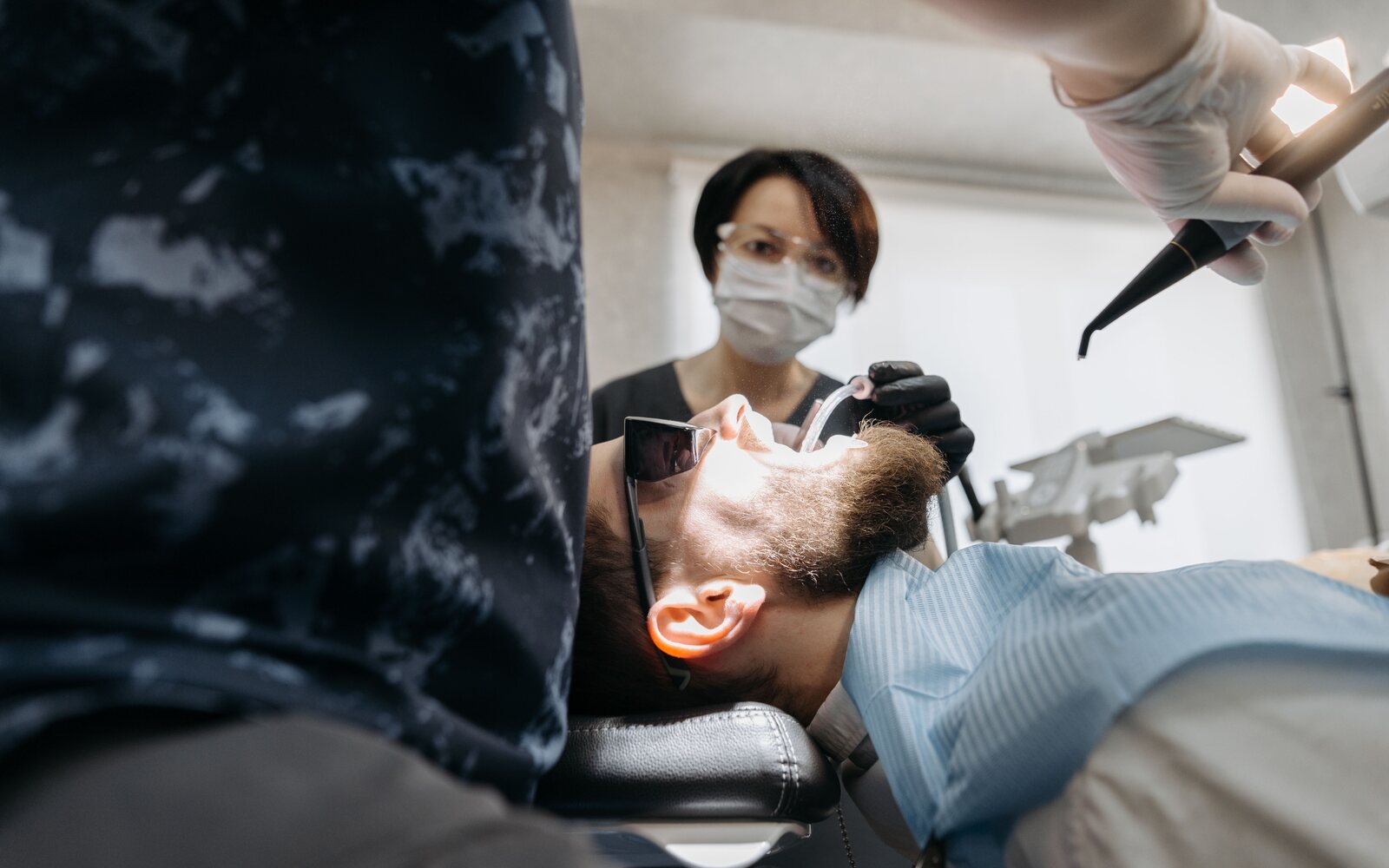
5 Reasons a Dental Crown May Feel Loose
A crown that moves or feels different should be evaluated. The problem may involve the cement, the crown itself, the supporting tooth, or the bite. Cement can fail Dental cement can deteriorate or a crown can become dislodged, especially after years of service or unusual force. The supporting tooth can change Decay, fracture, or loss…
-
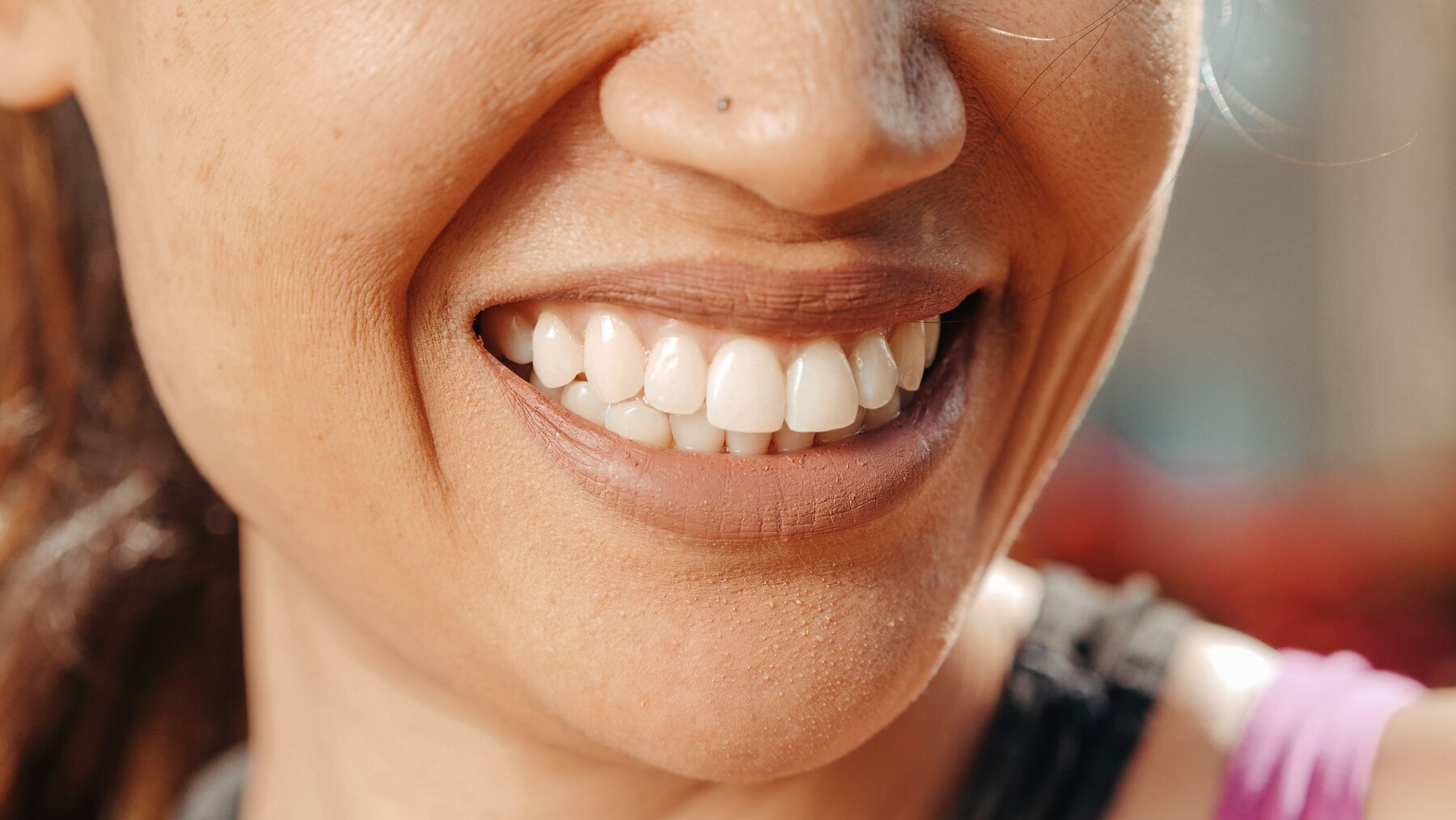
Can a Smile Makeover Improve Your Oral Health?
Some procedures considered part of a smile makeover can improve function or make teeth easier to maintain, while others are primarily cosmetic. Health issues should be addressed first Decay, gum disease, broken teeth, missing teeth, and bite concerns need appropriate diagnosis before elective cosmetic changes. Restorative and cosmetic goals can overlap Replacing a missing tooth…
-
Can I Stop a Cavity From Getting Worse?
Very early enamel demineralization may sometimes be managed with preventive measures, but a true cavitated lesion generally needs professional evaluation and often restorative treatment. Fluoride supports remineralization Fluoride toothpaste, appropriate professional fluoride, saliva, and reduced sugar frequency can help strengthen enamel that has begun to lose minerals. A hole does not grow back Once tooth…
-
What Happens After a Root Canal?
Root canal treatment removes inflamed or infected pulp and seals the inside of the tooth. Afterward, the tooth still needs protection and follow-up. Expect follow-up care The treating dentist will explain whether a temporary filling, permanent filling, core buildup, or crown is needed and when it should be completed. Some tenderness can be normal Mild…
-
First Dental Visit: Health History, Insurance, and Questions to Bring
A little preparation can make a first appointment easier and gives the dental team better information for planning care. Complete forms in advance when possible Provide an accurate health history, medication list, allergies, and dental history. Bring insurance information If you plan to use dental benefits, bring the current card or plan details so the…
-
Dental Veneers: Planning, Alternatives, and Maintenance
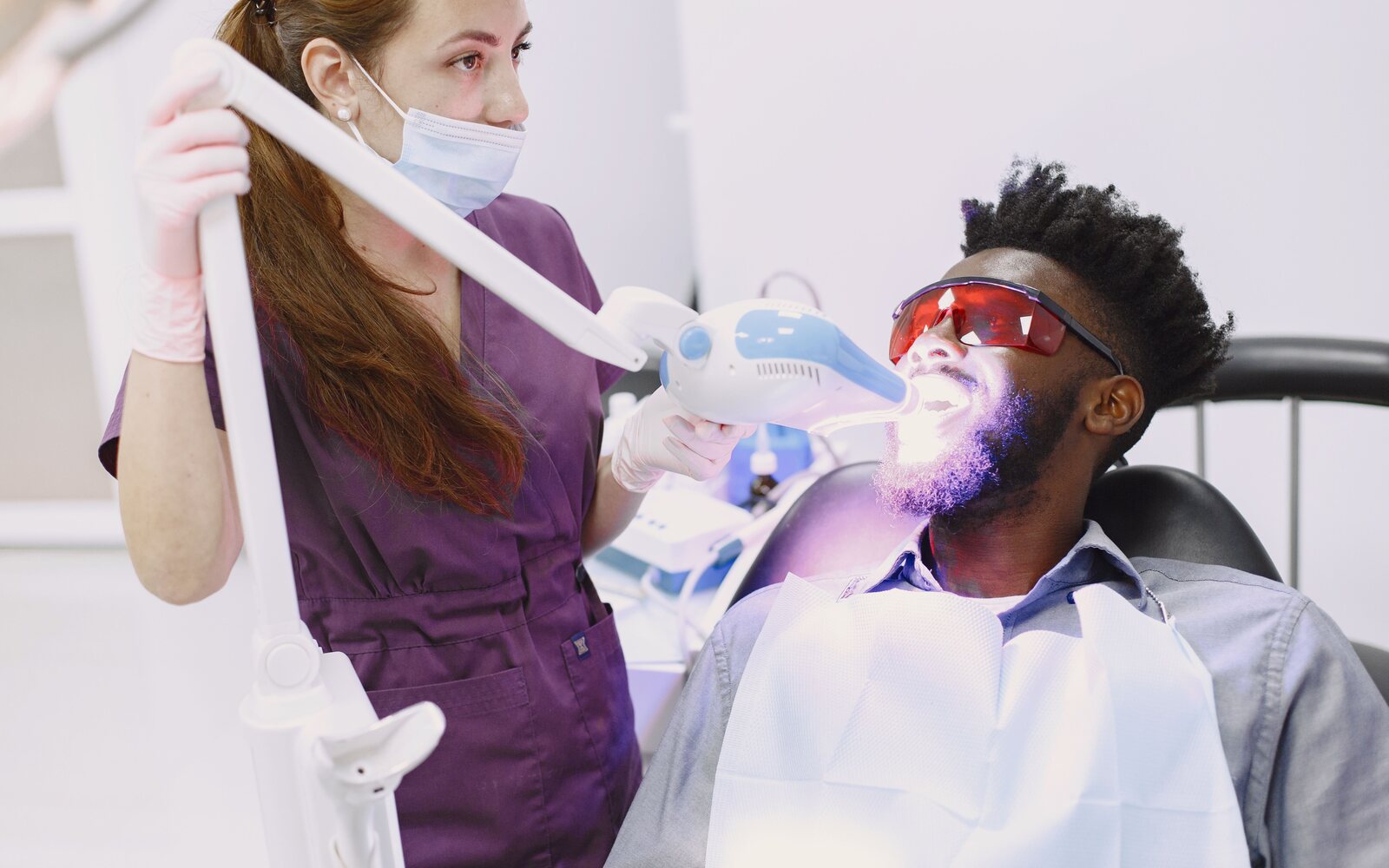
A veneer consultation should evaluate oral health, bite, tooth position, enamel, existing restorations, and the specific cosmetic change you want. Describe the change, not just the procedure Bring examples or explain whether your concern is color, shape, spacing, wear, symmetry, or another feature. Ask about alternatives Whitening, bonding, orthodontic movement, or a crown may sometimes…
-
The Need for Dental Veneers
Dental veneers are thin restorations used to change the visible surface of selected teeth when cosmetic goals cannot be addressed adequately with whitening, bonding, or other conservative options. Veneers can change shape and color They may be considered for selected discoloration, wear, small shape discrepancies, spacing, or minor surface damage. Healthy teeth and gums come…
-

Dental Veneers: Questions to Discuss During a Consultation
Veneers can change the appearance of selected teeth, but they are not the right solution for every cosmetic concern. A consultation should consider tooth condition, bite, existing restorations, desired changes, and long-term care. Ask what changes are realistic, whether whitening should happen first, and what maintenance will be needed after treatment.
-
Dental Implants and Implant Restorations: Understanding the Difference
A dental implant is the component placed in the jawbone; an implant restoration is the visible tooth or prosthesis attached to the implant. Implant treatment has surgical and restorative phases The implant is placed and allowed to integrate with bone. After appropriate healing, a crown, bridge, or other restoration is designed to attach to it.…
-
A Family Dentist Shares How to Save a Damaged Tooth
A damaged tooth does not automatically need extraction. The ability to save it depends on the depth of damage, remaining tooth structure, infection, and supporting tissues. Small damage may be restored conservatively Bonding or a filling may be enough for limited chips or decay when the tooth remains strong. Larger damage may need more coverage…
-
What to Ask About Your Child’s Oral Hygiene
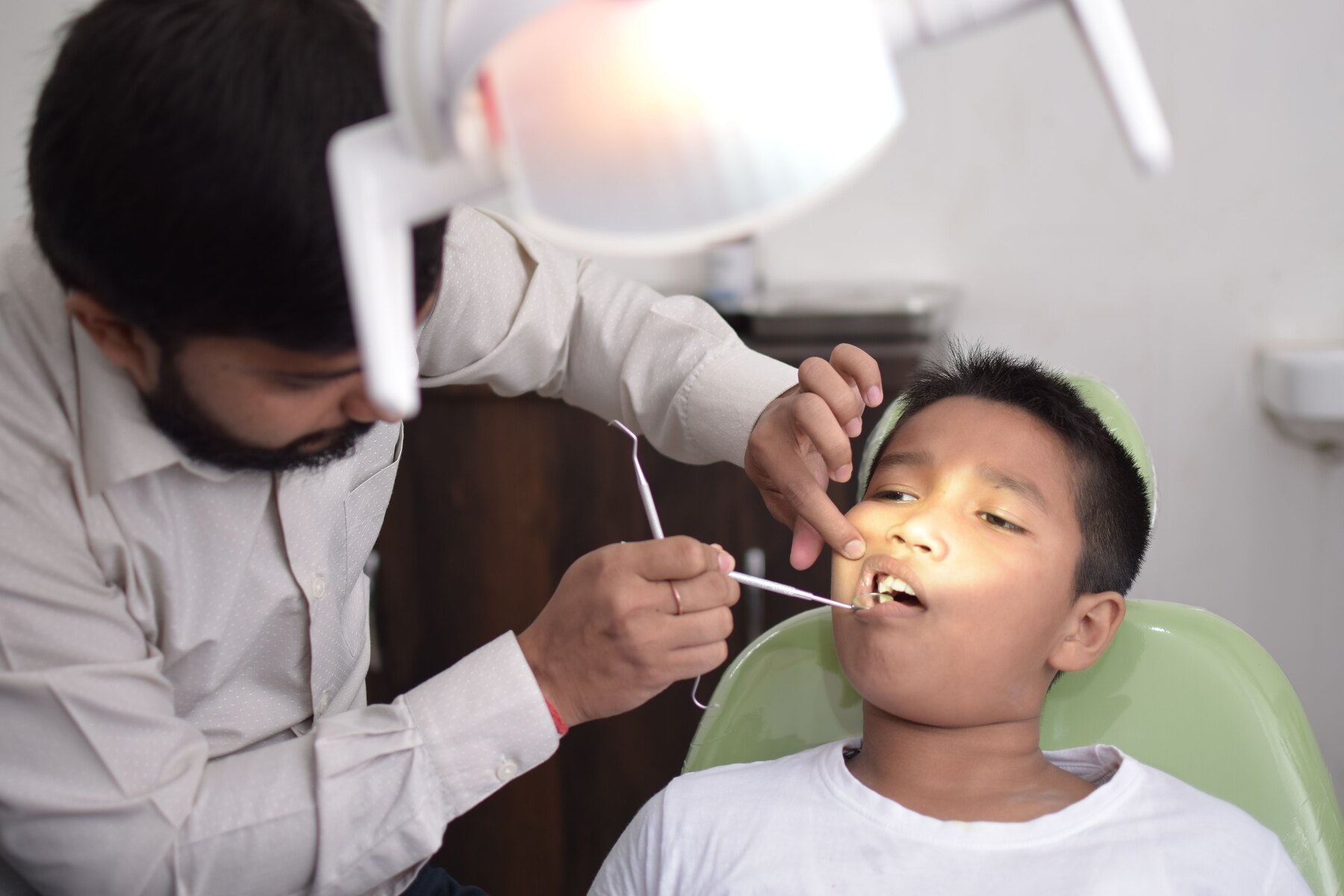
Dental visits are a useful time to ask how your child’s home-care routine should change as teeth erupt and coordination improves. Ask about toothpaste and fluoride The dental team can recommend the right amount of fluoride toothpaste and discuss whether your child has additional fluoride needs. Ask when to begin cleaning between teeth When adjacent…