Why Dental Care Should Be Individualized
Two patients can have very different dental needs even when they are the same age. Oral-health history, current findings, medical conditions, medications, risk factors, and personal goals all influence a care plan.
Prevention schedules are not one-size-fits-all
The timing of examinations, professional cleanings, imaging, fluoride, periodontal maintenance, and other preventive care should be based on individual needs rather than a universal schedule.
Treatment decisions begin with diagnosis
A chipped tooth, sensitive tooth, missing tooth, or cosmetic concern may have several reasonable treatment options. An examination helps determine which options fit the tooth, surrounding tissues, overall health, and patient priorities.
Questions are part of good care
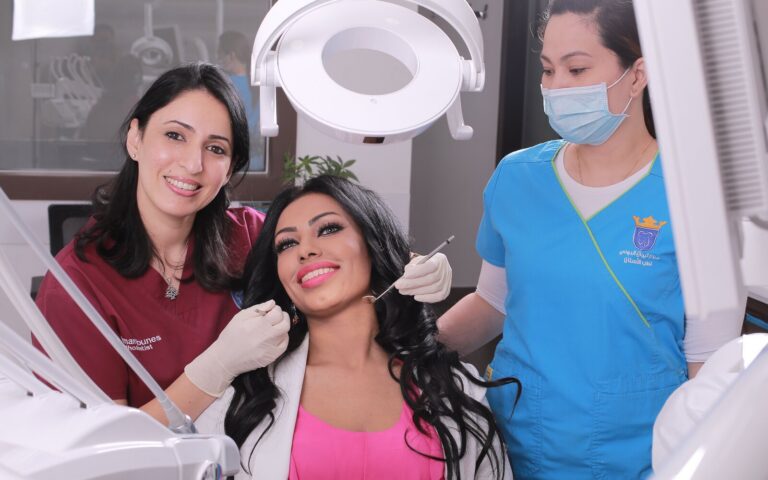
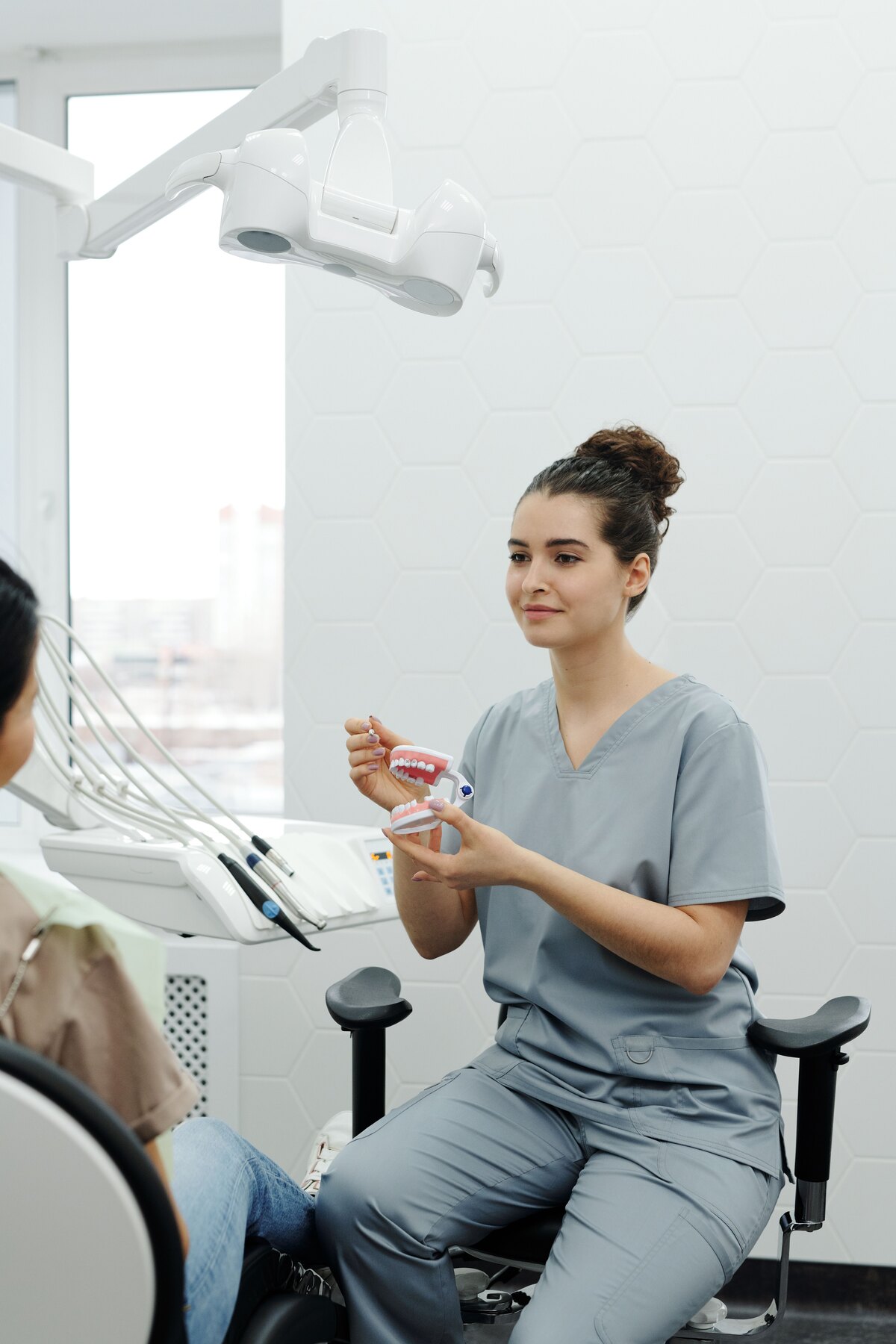
Tell the dental team about symptoms, health changes, medications, anxiety, previous dental experiences, and what matters most to you. Clear communication helps the dentist explain findings, alternatives, benefits, limitations, and next steps.
This article is general dental education and is not a diagnosis or a substitute for an examination. If you have pain, swelling, trauma, or another concern, contact a dental or medical professional as appropriate.